
Women, young and disabled people risk being left out as Britain shifts aid spending to boost its own trade, experts said on Tuesday, with worries over Brexit already hitting the economy.
A parliamentary watchdog and aid agencies criticized plans by Britain's foreign aid agency, the Department for International Development (DFID), to focus on "trade as an engine for poverty reduction," announced in January. "A strategy heavily weighted towards trade alone can actively disadvantage the most marginalized groups," said Stephen Twigg, chairman of the International Development Committee (IDC), which scrutinizes DFID's spending and strategies.
"Girls and women, disabled and young people will lose out unless DFID undertakes to protect them," he said in a statement, reinforcing the warning issued in a report by the committee that the poorest and most vulnerable could be disadvantaged under the new 'aid for trade' approach.
DFID rejected the criticism and said that its development strategy does benefit those most in need of aid.
"DFID is delivering inclusive growth that spreads benefits across society, raising incomes, expanding life chances and leading to lower poverty rates for the most vulnerable," a spokesman said in a statement.
"This is how we can transform the poorest parts of the world, help countries stand on their own two feet and, ultimately, end reliance on aid."
Aid critics were bolstered this year by revelations that Oxfam staff paid for sex with prostitutes in Haiti after the 2010 earthquake.
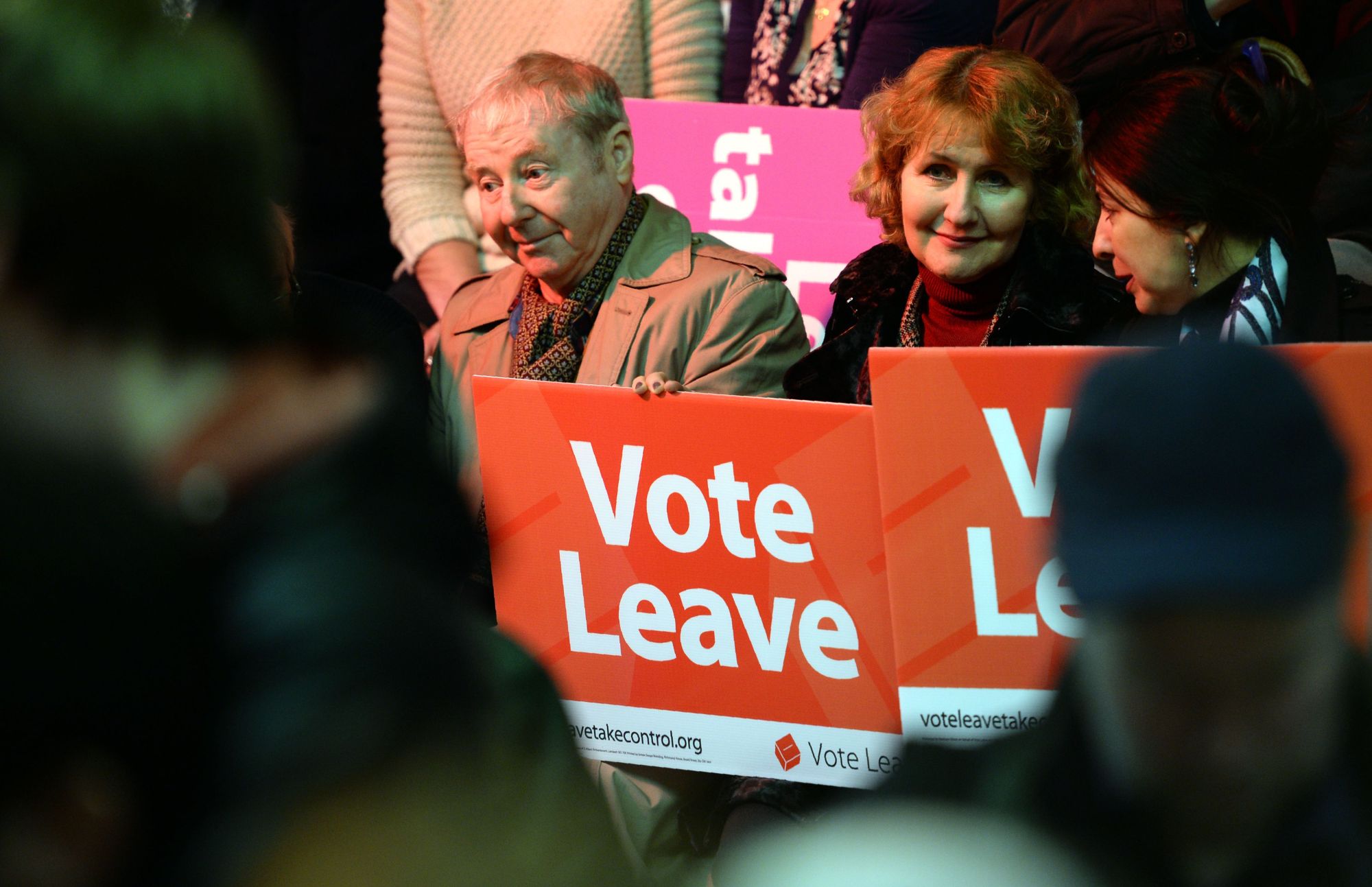
Ahead of Britain's March 2019 exit from the European Union, aid minister Penny Mordaunt has pledged that a "bold new Brexit-ready" development plan will boost U.K. trade and investment with developing countries.
Confidence about Britain's economic prospects is waning amid uncertainty over its departure from the European Union, as a transitional trade agreement has yet to be finalized.
The Catholic Agency For Overseas Development (CAFOD) said aid should be allocated according to its impact on the poor.
"Benefits to U.K. business or U.K. trade must never trump this poverty focus," Graham Gordon, the charity's head of public policy, said in an emailed statement.
While economic development could reduce poverty, the Overseas Development Institute (ODI), a London-based think tank, said Britain should not use a "one-size-fits-all" formula.
"It is vital that the most marginalized and vulnerable are not left behind," said Stephen Gelb, an ODI researcher.

With your current subscription plan you can comment on stories. However, before writing your first comment, please create a display name in the Profile section of your subscriber account page.